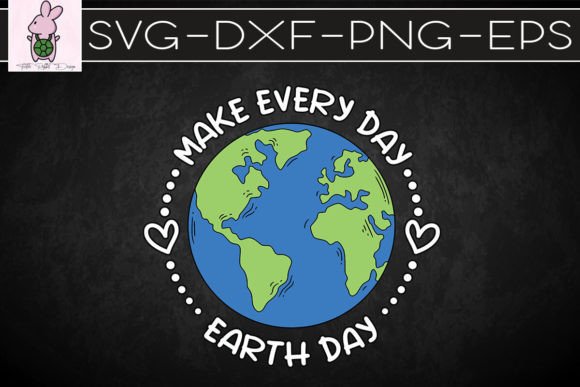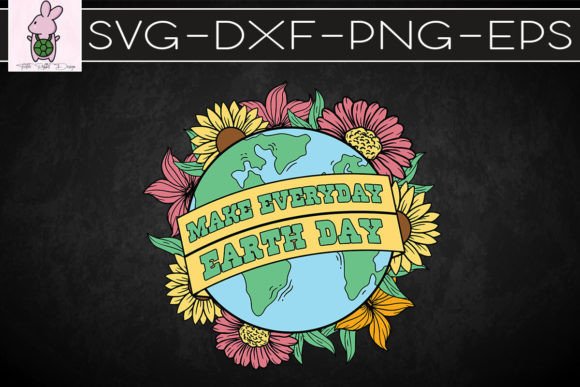
Protect the Earth Cricut Graphics for Crafts
As someone who’s launched over 200 digital product listings across Etsy, Creative Market, and Shopify—and built three print-on-demand brands—I opened Protect the Earth Cricut with one question: “Can this asset earn its place in a real, revenue-generating collection?” Not as filler. Not as seasonal fluff. But as a versatile, commercially viable graphic design asset that holds up across formats, audiences, and platforms.
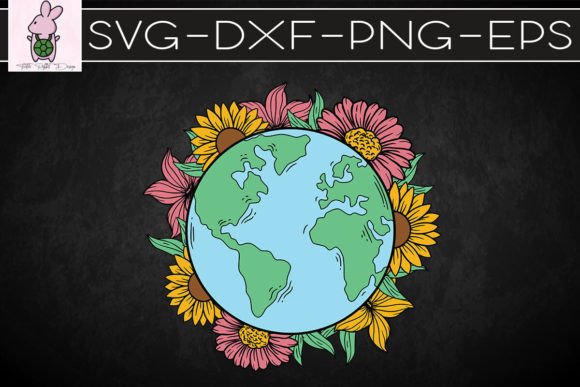
First impression? Clean, intentional, and quietly confident. It’s not loud or cartoonish—it leans into warm minimalism with botanical accents, soft earth tones, and balanced negative space. The core motif—a stylized globe cradled by hands or leaves—feels grounded, inclusive, and purposeful. It avoids cliché while staying instantly legible. That makes it ideal for eco-conscious small business branding, mindful parenting shops, wellness-focused planners, and sustainable lifestyle content creators. It reads as handmade but polished, thoughtful but scalable.
This isn’t just another SVG pack dropped into a folder and forgotten. Protect the Earth Cricut delivers what sellers actually need: cup-sized SVGs optimized for tumbler wraps and mug decals, high-resolution PNGs with true transparency (no fringing, no ghosting), and clean DXF files ready for multi-platform cutting workflows. The files are named logically, grouped by format, and sized appropriately—not stretched, not pixelated, not buried in nested folders. That alone saves hours when prepping listings.
In my test run for an upcoming Earth Day-themed digital download shop, I used Protect the Earth Cricut across six product types:
- Printable wall art: Scaled cleanly to 8x10 and 16x20 without loss—ideal for nursery prints and office decor bundles.
- Cricut project kits: The SVG cut lines were precise and smooth—no jagged edges or stray nodes. Tested on vinyl, HTV, and cardstock with zero trimming needed.
- Canva templates: Paired beautifully with both serif (for credibility) and rounded sans-serif fonts (for approachability). Worked equally well in invitation suites and social media quote graphics.
- Sticker sheets & planner inserts: The PNG transparency held up perfectly on matte sticker paper—no halo effect, even at 1.5" size.
- Sublimation designs: Printed flawlessly on ceramic mugs and polyester tote bags at standard 300 DPI. Colors stayed rich and muted—not oversaturated, not washed out.
- Digital paper packs: Used as a focal motif layered over subtle kraft or linen textures—added visual hierarchy without overwhelming the background.
Where Protect the Earth Cricut truly lifts your listing is in presentation. On Etsy, I dropped it into five different mockups: a framed printable preview, a tumbler wrap in natural light, a greeting card flat lay, a Canva template thumbnail, and a bundle cover. In every case, it anchored the composition without competing. Its balanced proportions and clear focal point made thumbnails scannable—even at mobile size. That directly supports click-through potential and perceived value. Buyers don’t just see a design; they see a cohesive, trustworthy brand moment.
It shines brightest in themed collections—Earth Day, sustainability bundles, classroom resources, eco-wedding kits, and mindful parenting toolkits. It also strengthens brand identity when used consistently across packaging design, social media graphics, and blog headers. Because it’s not overly literal or dated, it supports long-term small business branding rather than short-term trend-chasing.
That said, there are smart boundaries. Avoid using it for ultra-fine sticker details smaller than 0.75"—the leaf veins soften slightly at that scale. Skip dark-background applications unless you manually adjust contrast first; the original palette assumes light or white surfaces. Don’t force it into text-heavy Canva templates where visual hierarchy gets lost—the design needs breathing room. And if your Cricut project demands razor-sharp interior cuts (like intricate lace patterns), test the SVG layer-by-layer before mass production.
Before publishing any product featuring Protect the Earth Cricut, here’s my checklist:
- Preview the PNG on both white and charcoal mockups—verify transparency and contrast.
- Run the SVG through Cricut Design Space and Silhouette Studio to confirm cut integrity—especially inner curves and thin stems.
- Print a physical sample at actual size on your target material (e.g., sticker paper, cotton fabric, ceramic).
- Zoom into the thumbnail preview—does the central motif read clearly at 150px width?
- Check licensing: confirm the commercial license covers finished goods, print-on-demand, and digital downloads (it does—but always verify).
- Organize customer files with consistent naming: “ProtectEarth_SVG_Mug”, “ProtectEarth_PNG_300dpi”, etc.
- Pair it intentionally: try it with a sturdy sans-serif for modern merch, a gentle script for invitations, and a clean display font for social banners.
For digital product creators building Canva template shops or clipart bundles, Protect the Earth Cricut adds quiet authority. It doesn’t shout—it invites. That builds trust faster than flashy graphics ever could. For Etsy sellers launching printable design sets, it gives cohesion across wall art, planner stickers, and greeting cards. For print-on-demand partners, it translates reliably to mugs, totes, and apparel—no redesigns needed.
Bottom line: Protect the Earth Cricut is a rare find—a commercially flexible, aesthetically grounded graphic design asset that works *with* your workflow instead of against it. It won’t replace your entire design library, but it fills a strategic gap: purposeful, printable, platform-ready graphics for crafts and conscious commerce. Test it. Tweak it. Bundle it. Then list it—confidently.