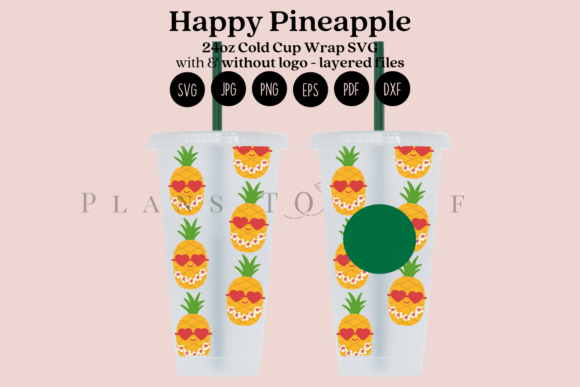
Happy Pineapple Summer 24oz Cold Cup
A Designer’s First Look: Bright, Bold, and Built for Warm-Weather Charm
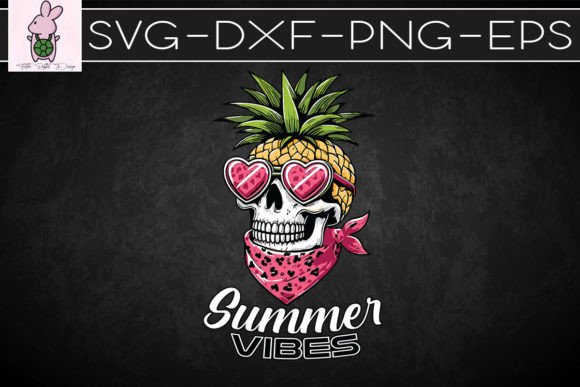
When I opened Happy Pineapple Summer 24oz Cold Cup, my first thought wasn’t “cute”—it was “usable.” As someone who stitches for Etsy sellers, local boutiques, and custom baby gift clients, I’ve seen hundreds of tropical motifs that look great on screen but fall apart under needle and thread. This one lands differently. The pineapple is friendly but not cartoonish, the sun rays are clean and evenly spaced, and the “Happy Summer” script has just enough bounce to feel handmade—not stock. It reads as a machine embroidery design with personality, not just a clipart wrap repurposed for stitching.
Where It Shines: Real Projects That Feel Intentional
Last week, I stitched Happy Pineapple Summer 24oz Cold Cup onto a natural linen tea towel for a small-batch kitchen goods shop. The result? A product that looked cohesive—not like a sticker slapped on fabric. The design’s balanced negative space kept the towel from feeling cluttered, and the moderate scale (no tiny stems or micro-leaves) translated cleanly in satin stitch and fill stitch. I’ve also tested it on a lightweight cotton sweatshirt—hooped with medium tear-away stabilizer—and the curves held up beautifully without puckering. It works especially well for personalized gifts where warmth and approachability matter: think baby onesies (paired with soft pastel threads), canvas tote bags for beach rentals, or aprons for summer pop-up cafes.
Why Craft Business Owners Will Appreciate the Layout
- No guesswork on sizing: Because it’s presized for a 24oz cold cup tumbler, the proportions naturally scale well to common embroidery areas—like the front chest of a unisex tee or center panel of a pillow cover.
- Layered files mean flexibility: If you’re offering monogram add-ons or seasonal variants (e.g., swapping “Summer” for “Vacation”), having vector and raster layers makes editing efficient—especially when prepping printable mockups for your Etsy listings.
- Theme consistency across mediums: Whether used as an embroidered patch, a heat-transfer base, or a digital design asset for sublimation mugs, the motif holds its identity without needing heavy redesign.
Where to Proceed With Care
This isn’t a one-size-fits-all digital embroidery file. Its cheerful energy depends on thoughtful execution. On stretchy fabrics like jersey knits or thin baby rib, I recommend testing with light cutaway stabilizer—otherwise, the outer pineapple contour can waver slightly during satin stitching. Dark fabrics demand attention to thread contrast: the original color palette assumes bright yellows and greens, but if you’re stitching on navy or charcoal, test how the script reads in white or ecru before committing to a full run. And while the design avoids ultra-fine details, the inner leaf veins do require at least a 4-inch hoop for clean registration—so it’s not ideal for tight cap fronts unless resized and simplified.
Stitching Clarity & Customer Trust Go Hand-in-Hand
Here’s what matters to buyers: they don’t see “vector file” or “300DPI.” They see whether the pineapple looks crisp on their tote bag, whether the stitching lies flat after washing, and whether the whole piece feels worth the price tag. Happy Pineapple Summer 24oz Cold Cup supports that perception because its lines are confident—not overly delicate, not overly thick. There’s no dense fill-stitch swamp in the center; instead, smart spacing lets the fabric breathe. That translates directly to handmade product credibility. When customers receive something embroidered with this design, they sense intention—not just speed.
Practical Notes Every Embroidery Designer Should Keep Handy
- Always stitch a test on scrap fabric—especially if using textured weaves like burlap or terry cloth.
- Review stitch density in your software: if the sun rays appear too sparse or too heavy, adjust underlay or reduce jump stitches.
- Confirm hoop size compatibility before digitizing further—some versions may assume standard 5x7 or larger.
- Inspect small details in black-and-white mockups: does the script remain legible on dark backgrounds?
- Use proper stabilizer for your fabric type—lightweight cutaway for knits, tear-away for stable wovens.
- Verify licensing terms before selling finished items or bundling the file into your own craft business offerings.
Beyond the Hoop: Branding, Gifting, and Quiet Professionalism
I recently added Happy Pineapple Summer 24oz Cold Cup to a holiday gift bundle for a boutique client—paired with matching embroidered coasters and a woven label. Customers responded not just to the theme, but to how consistently joyful it felt across formats. That’s the quiet power of a well-considered graphics asset: it doesn’t shout, but it lingers. For Etsy sellers and small shop products, that kind of cohesion builds recognition. For holiday embroidery or summer baby showers, it adds warmth without cliché. And for anyone building a creative entrepreneur portfolio, it’s proof that playful doesn’t have to mean imprecise.
Final Thought: A Design That Respects Your Time and Your Clients’ Eyes
As a designer who reviews dozens of embroidery files each month, I measure value not just in file variety (SVG, PNG, EPS, DXF, PDF), but in how little friction it creates between idea and finished product. Happy Pineapple Summer 24oz Cold Cup delivers that. It’s ready for real work—not just pretty previews. Whether you’re stitching for a craft fair booth, prepping a client’s custom apparel line, or building your own Crafts brand, this design earns its place in your library by being both joyful and dependable.