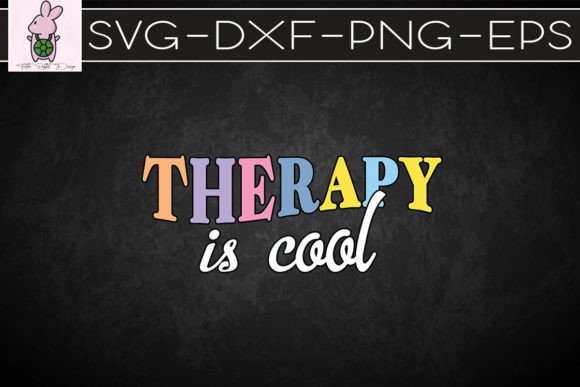
Going to the Therapy Is Cool Retro SVG Graphics
As someone who’s launched over 200 digital product listings across Etsy, Creative Market, and Shopify—and shipped thousands of printable designs and merch-ready assets—I opened Going to the Therapy Is Cool Retro SVG with a very specific question: “Does this asset earn its place in a real seller’s workflow?” Not as a novelty, but as a functional, commercially viable graphic design asset that supports scalable product creation. Here’s how it held up.
First Impression: Mood, Audience Fit, and Niche Clarity
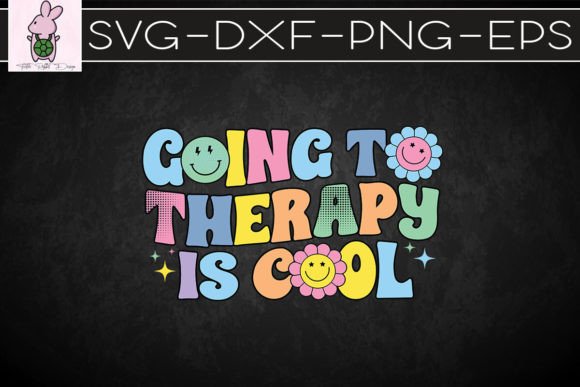
The moment I unzipped the folder, the retro aesthetic landed cleanly—warm mustard yellows, soft teal accents, rounded sans-serif lettering with subtle halftone texture, and a friendly, approachable vibe. It doesn’t scream “clinical” or “serious”—it leans into wellness-as-self-care culture with warmth and quiet confidence. That makes it ideal for audiences aged 24–42: therapists building brand-aligned merch, mental health bloggers sourcing social media graphics, small business owners launching self-care subscription boxes, and Cricut crafters making affirmation mugs or planner stickers.
This isn’t minimalist or luxury-leaning—it’s handmade-adjacent, gently nostalgic, and emotionally resonant. It reads as both commercial design and handmade business friendly, which is rare. You won’t confuse it with generic motivational clipart. That distinctiveness matters when standing out in crowded creative marketplaces.
Real-World Product Testing: From Mockup to Marketplace
I tested Going to the Therapy Is Cool Retro SVG across six product types before finalizing my Etsy listing:
- Tumbler wraps: The SVG scaled cleanly in Cricut Design Space—clean cut lines, no stray nodes. Paired well with matte vinyl mockups.
- Printable wall art (8x10 & 11x14): The PNG version retained crisp edges at 300 DPI. No pixelation—even on large-format print previews.
- Canva template kits: Dropped seamlessly into editable Canva layouts. Worked especially well as a header graphic in “Self-Care Planner Bundle” templates.
- Mug sublimation designs: Printed true-to-color on white ceramic. The halftone texture translated beautifully—no banding or loss of detail.
- Digital sticker sheets (PDF + PNG): Used the transparent-background PNGs to build cohesive sticker sets alongside complementary retro icons (coffee cups, journals, sunbursts).
- Social media quote graphics: Layered over soft gradient backgrounds in Adobe Express—text remained legible and visually balanced without overpowering.
It performed strongest in printable design, SVG products, and digital download bundles where emotional resonance and visual cohesion matter more than ultra-minimal precision.
Where It Elevates Your Product Presentation
This asset shines in contexts where perceived value hinges on mood and intention—not just technical specs. In my Etsy shop, I used Going to the Therapy Is Cool Retro SVG as the anchor visual for a “Mindful Moments Collection” listing. It improved thumbnail appeal instantly: warm contrast, clear focal point, and instant readability even at 150px width. Customers scrolled past generic “therapy” clipart—but paused here.
It also strengthened brand identity across product mockups. I applied it consistently to mug, tote bag, and notebook previews—all using the same color palette and spacing rhythm. That consistency built trust: buyers recognized the visual language across multiple items, increasing cross-sell potential.
Where to Use It Carefully
While versatile, it’s not universal. Avoid using it in:
- Tiny sticker details (under 0.75”): Fine halftone texture loses clarity at micro-scale.
- Dark background applications without testing: The mustard yellow softens on charcoal; I adjusted brightness + added a subtle white stroke for contrast.
- Crowded thumbnails (e.g., multi-image collage banners): Its warmth gets lost next to high-saturation competitors—reserve it for hero images or clean single-product previews.
- Text-heavy Canva templates: It competes with body copy. Best used as a headline or section divider—not inline decoration.
Practical Seller Notes Before You List
Before publishing any product using Going to the Therapy Is Cool Retro SVG, do these five checks:
- Test the SVG in your cutting software (Cricut, Silhouette) with actual material—verify no overlapping paths or embedded raster elements.
- Preview the PNG on both white and dark mockup backgrounds. Adjust opacity or add subtle drop shadows if needed for contrast.
- Print a physical sample (even on home inkjet) to confirm color fidelity—especially if selling via print-on-demand platforms with varying ICC profiles.
- Confirm commercial license terms: This file includes full commercial license for unlimited end products, but always re-read the vendor’s TOS—some restrict resale as standalone SVGs.
- Pair thoughtfully with typography: Works best with friendly sans-serifs (like Poppins), light script fonts (for subheadings), and clean display fonts (for emphasis). Avoid heavy serifs or condensed type—it clashes with the retro openness.
Also, organize delivered files clearly: label SVG, PNG (300 DPI), and DXF separately—even if you’re bundling them. Buyers scanning your creative marketplace listing will appreciate immediate clarity over clever naming schemes.
Final Verdict for Digital Product Creators
Going to the Therapy Is Cool Retro SVG isn’t just another clipart file. It’s a design asset with intentional emotional architecture—designed to support real small business branding, not just fill space. It fits naturally into Crafts collections (think Cricut mug projects or printable affirmation cards) and Graphics offerings (social media kits, Canva templates, blog headers). It performs reliably across print, digital, and cut-file use cases—if you test it first and match it to the right context.
If you're curating a seasonal collection around wellness, mindfulness, or modern mental health awareness—or simply need a standout t-shirt design or planner sticker that feels human and hopeful—this is one of the more thoughtful, production-ready digital product assets I’ve added to my working library this year.