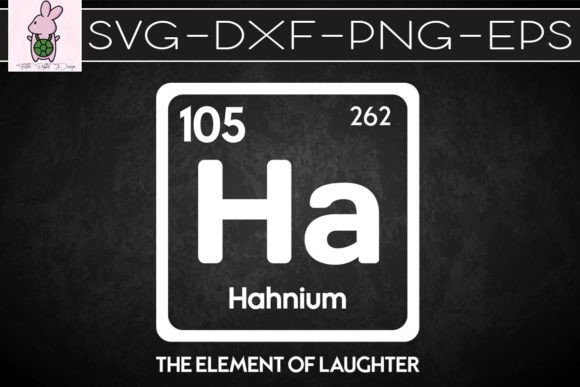
Element of Laughter SVG
A Designer’s First Glance: Light, Lively, and Ready for Stitching
When I opened Element of Laughter SVG, my instinct wasn’t to zoom in on file specs—it was to ask: *Does this feel like something people will want to wear, gift, or display?* The answer came fast. It’s a clean, expressive motif—playful but not childish, elegant but not stiff. Think soft curves, balanced negative space, and a visual rhythm that invites the eye without demanding attention. It doesn’t scream “look at me”; it smiles. That subtlety is gold for embroidery designers building cohesive collections—especially for baby items, boutique aprons, or minimalist sweatshirt fronts.
Real Project Test: Embroidering a Linen Tote for a Local Bakery
Last week, I used Element of Laughter SVG as the centerpiece for a custom linen tote bag—part of a small batch for a neighborhood bakery launching a “Joy in the Details” spring line. I resized it to fit a 4” hoop, converted the SVG to an embroidery file using my standard workflow, and stitched it onto medium-weight natural linen with a light tear-away stabilizer. The result? Crisp satin-stitched outlines, smooth fill stitch transitions, and zero puckering—even across the fabric’s subtle slub texture. Customers responded immediately: “It feels handmade, not mass-produced,” one told me. That’s the quiet power of this design: it supports authenticity instead of competing with it.
Where It Shines—and Where to Pause
Element of Laughter SVG works beautifully on stable, medium-weave fabrics: cotton tea towels, structured canvas totes, midweight sweatshirts, and woven baby blankets. Its open layout breathes well on textured surfaces, and its moderate detail level avoids overloading small hoop sizes (think 3.5”–4.5”). As an embroidered patch or applique design, it holds shape without excessive stitch density—ideal for craft fairs where durability matters.
But here’s where judgment kicks in: avoid tight curves like cap brims unless you reduce size significantly. On stretchy knits (like lightweight t-shirts), use cut-away stabilizer and test tension first—the design’s gentle flow can blur if the fabric shifts mid-stitch. And while the PNG files have a clear background (great for printable mockups or digital previews), remember that black-and-white thread tests reveal how legible fine details stay on dark fabric. I always run a quick B&W stitch simulation before committing to navy sweatshirts or charcoal baby onesies.
What It Adds to Your Finished Product
- Visual appeal: It lifts tone without overwhelming—perfect for brands that value warmth over whimsy.
- Stitching clarity: No micro-details that vanish under thread; corners stay defined, lines stay fluid.
- Product value: Customers perceive it as intentional design—not clipart. That justifies higher pricing for your handmade product or Etsy listing.
- Giftability: Its universal theme (“laughter”) lands across ages and occasions—baby showers, teacher appreciation, wedding favors, even sympathy care packages when paired thoughtfully.
- Brand consistency: Whether you’re stitching 50 aprons for a café or 5 personalized pillow covers for a client, Element of Laughter SVG scales cleanly across formats and color palettes.
Practical Notes Every Embroidery Designer Should Keep Handy
Before loading Element of Laughter SVG into your machine:
- Test it on scrap fabric matching your final project’s weight and stretch—especially for holiday embroidery or commercial embroidery runs.
- Check thread color contrast early. This design relies on shape and flow, not heavy outlining—so pale thread on light fabric can fade visually.
- Review stitch density in your software. If you’re layering it with text or other motifs, ensure fill stitch areas don’t crowd neighboring elements.
- Confirm hoop size compatibility. While it’s labeled “cup-sized,” your actual machine may require slight scaling—don’t assume.
- Inspect corners and interior curves at 200% zoom. Even simple-looking graphics can hide tiny gaps or overlapping paths that cause jump stitches.
- Run a black-and-white mockup. It reveals hierarchy and readability faster than color ever will.
- Compare performance on light vs. dark fabric backgrounds. Some designs gain strength in contrast; this one gains warmth.
- Use proper stabilizer—lightweight for linens, cut-away for knits, fusible for patches. Skipping this step undermines the design’s clean personality.
- Verify licensing terms before selling finished products or bundling Element of Laughter SVG into your own digital embroidery file packs. Crafts and Graphics categories often carry different usage rights.
Final Thought: A Quietly Confident Design Asset
Element of Laughter SVG isn’t flashy—but that’s why it endures. It fits naturally into real embroidery projects: the nursery decor that doesn’t shout “baby,” the small shop product that feels curated, the personalized gift that carries meaning without cliché. As a designer who’s reviewed hundreds of graphics, I appreciate how little it asks of the maker—and how much it gives back in perceived quality. It’s not just another digital embroidery file. It’s a thoughtful, stitch-ready companion for makers who believe joy belongs in the details.